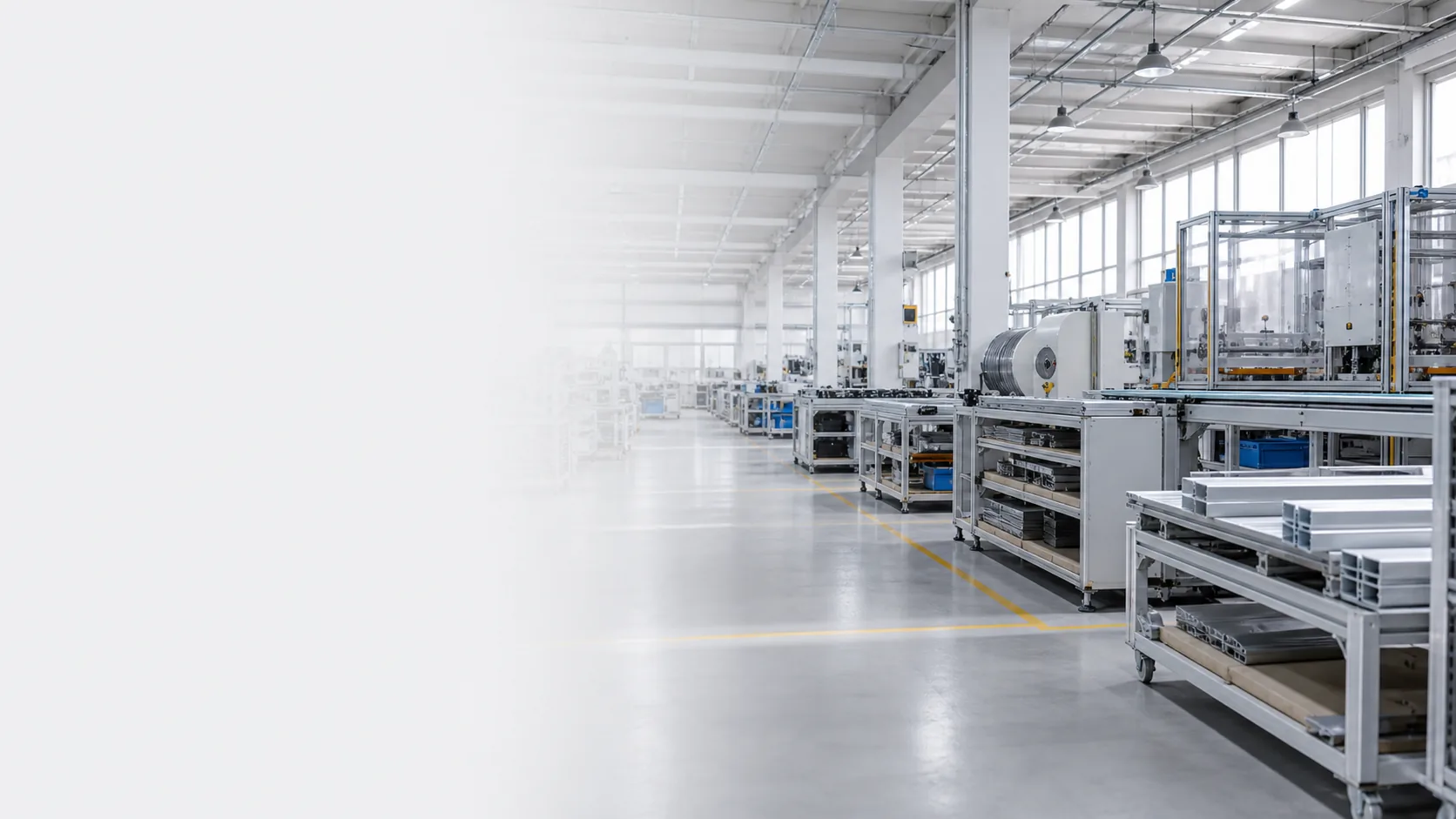
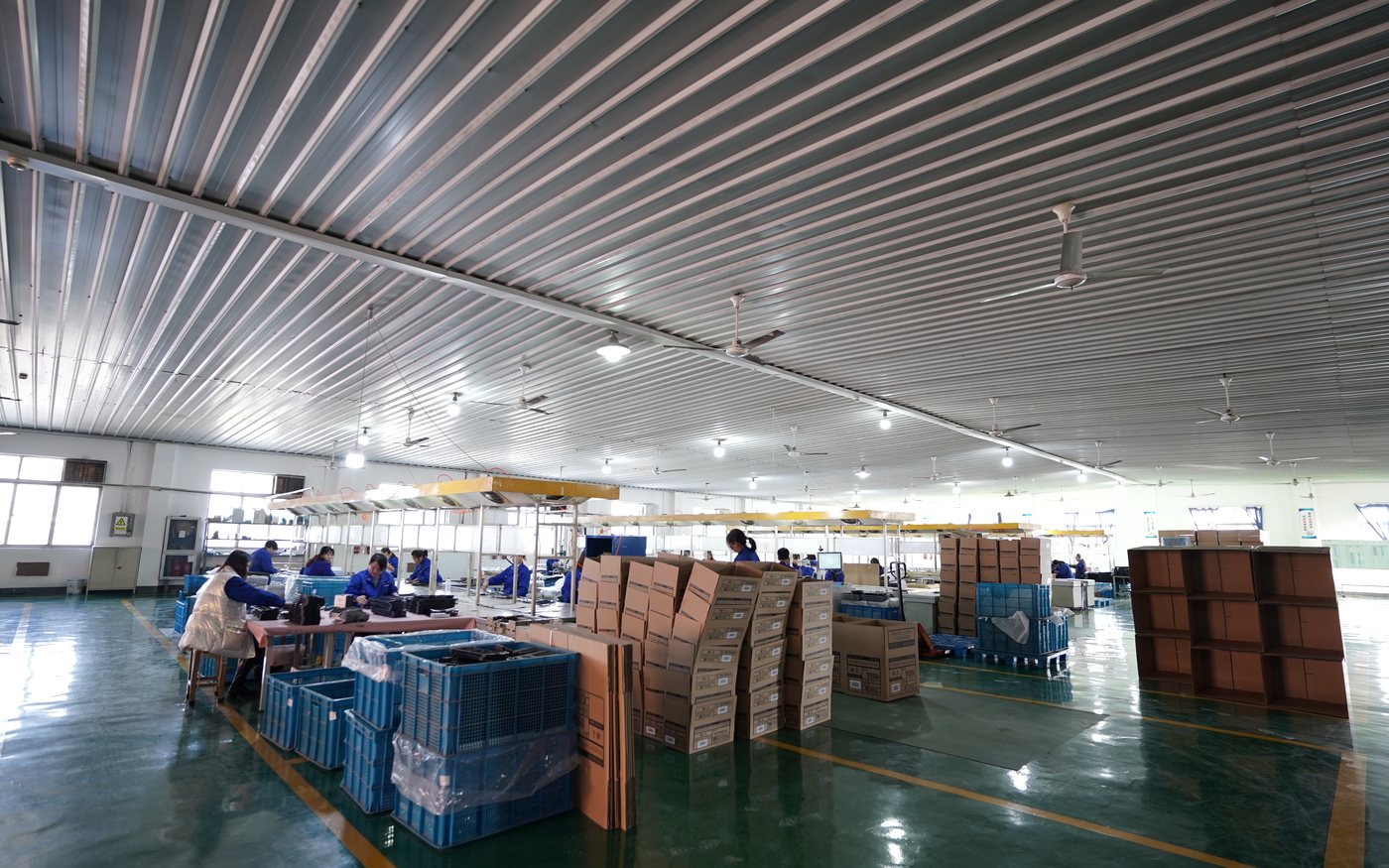
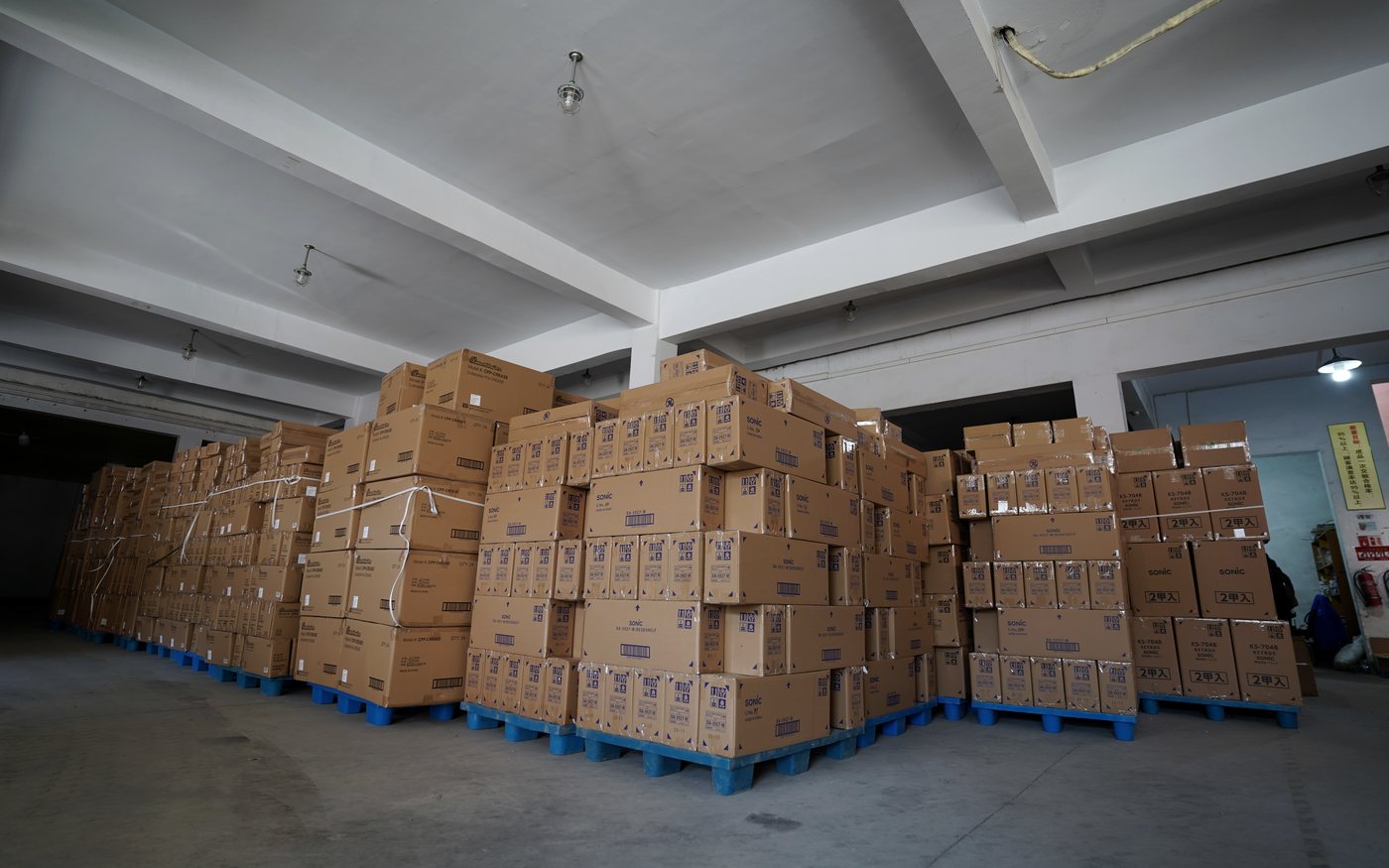
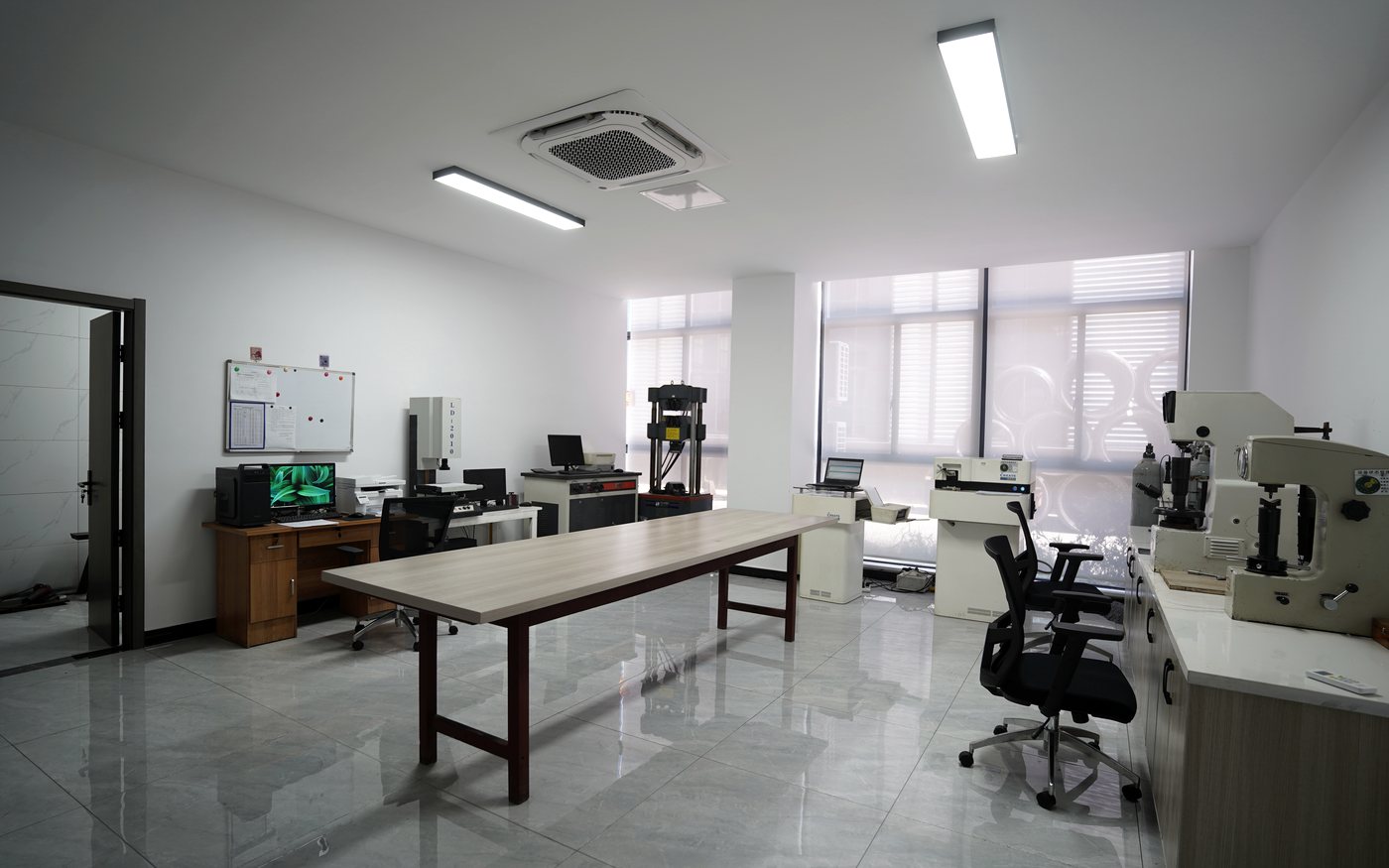
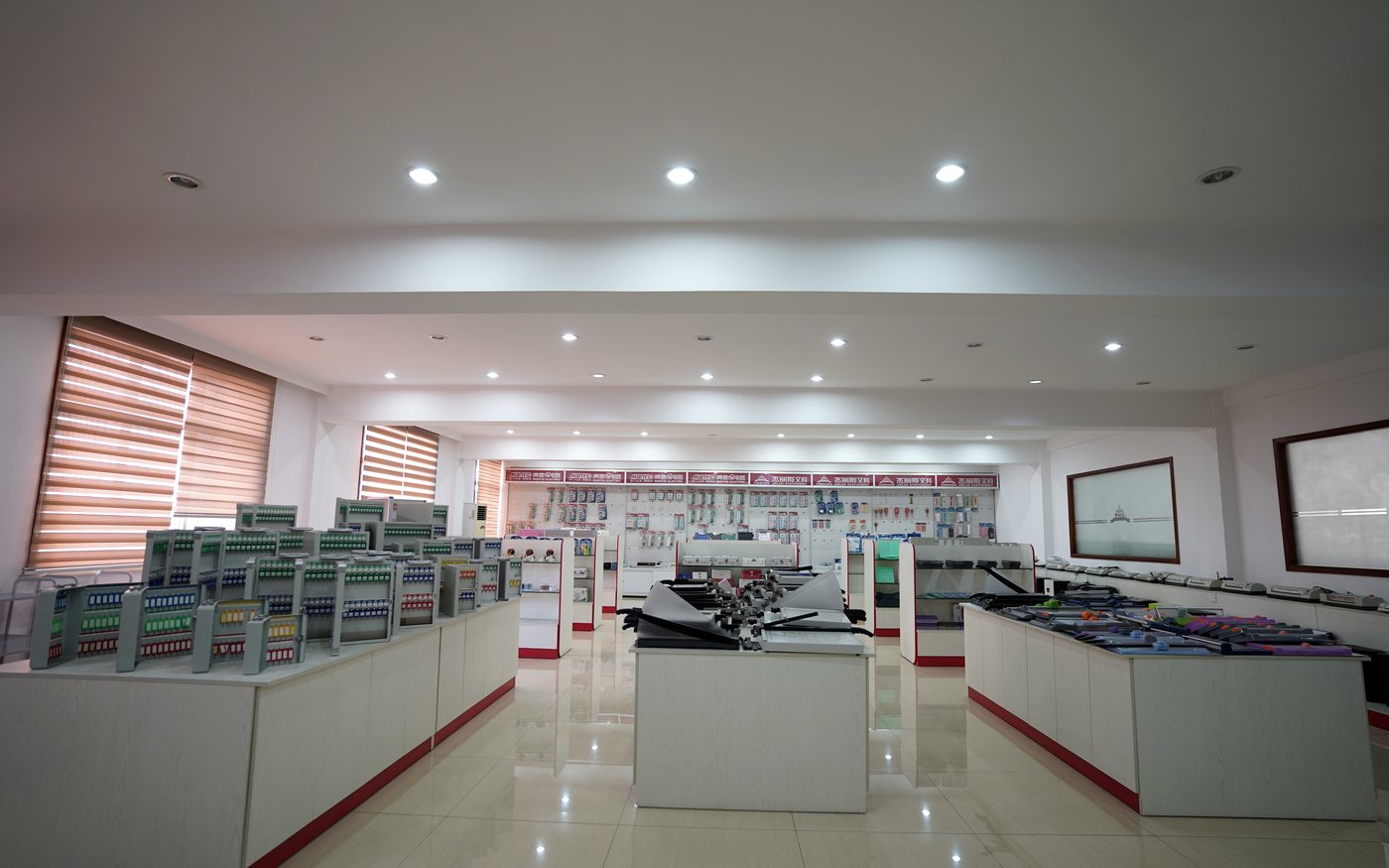
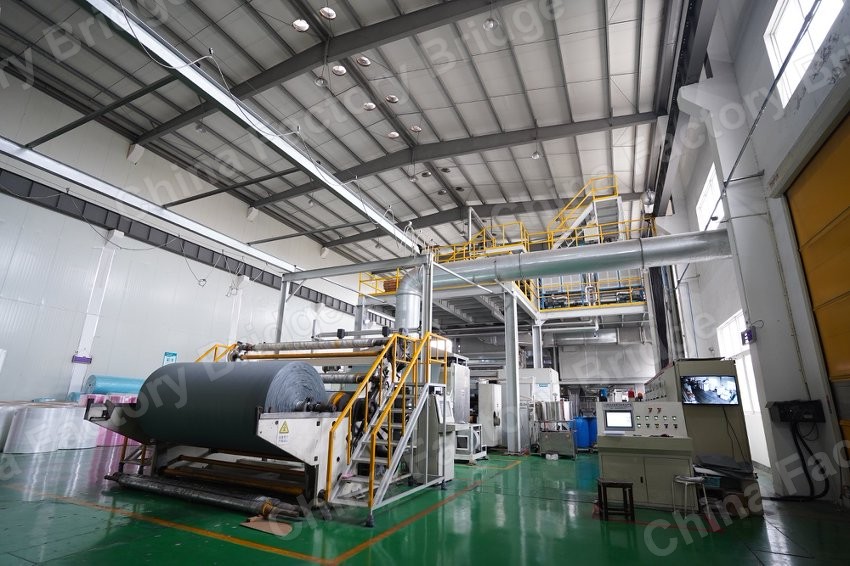
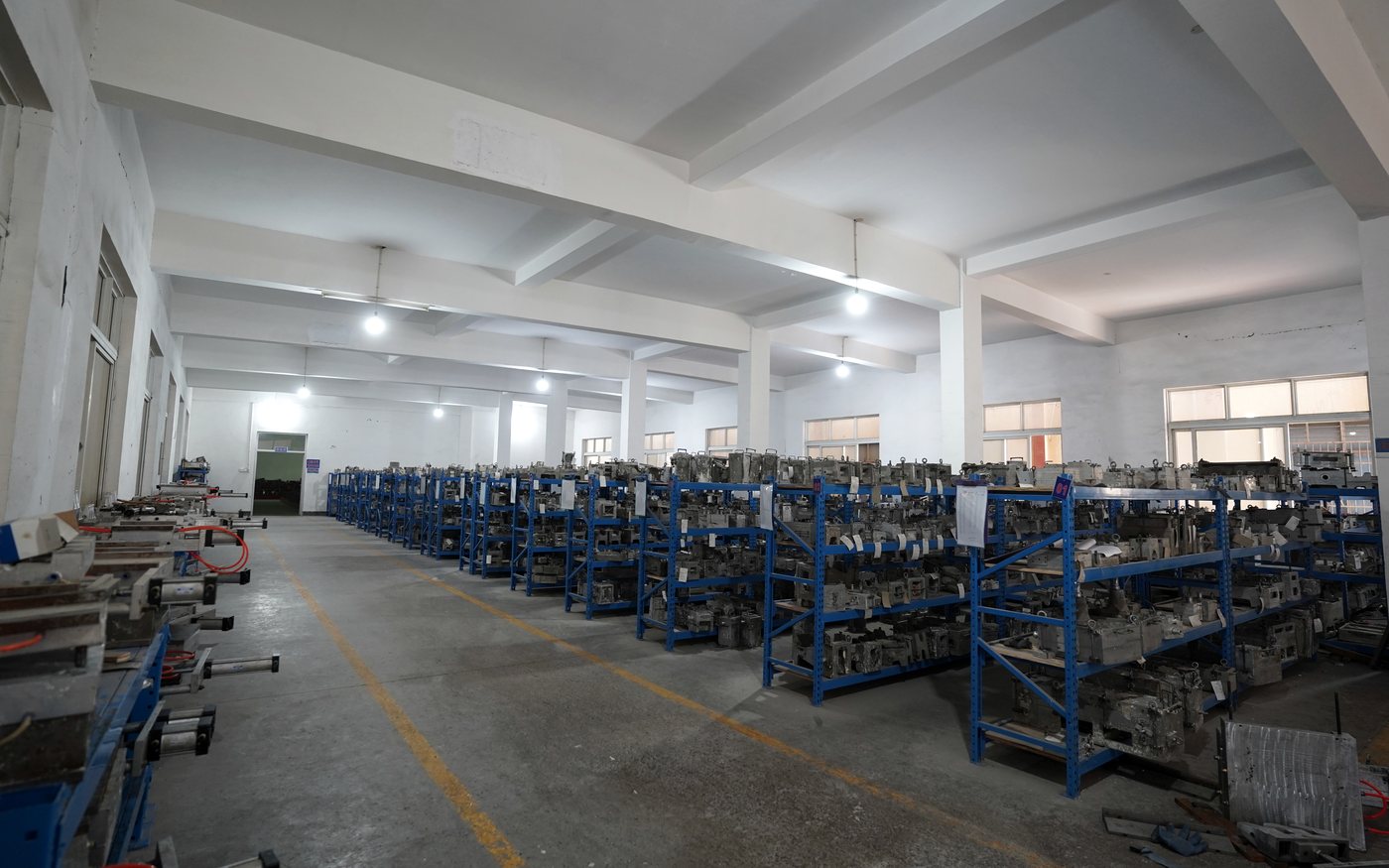
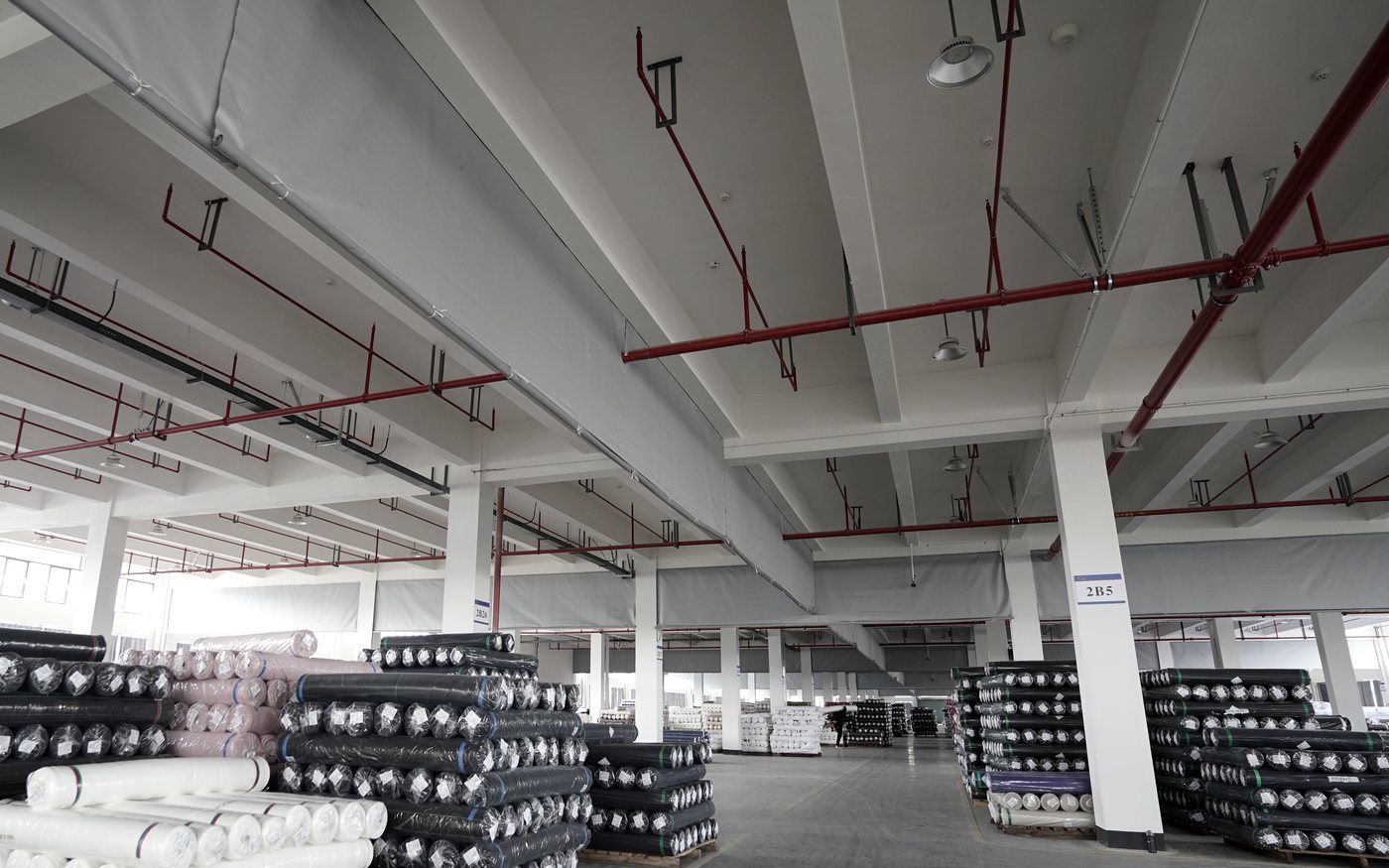
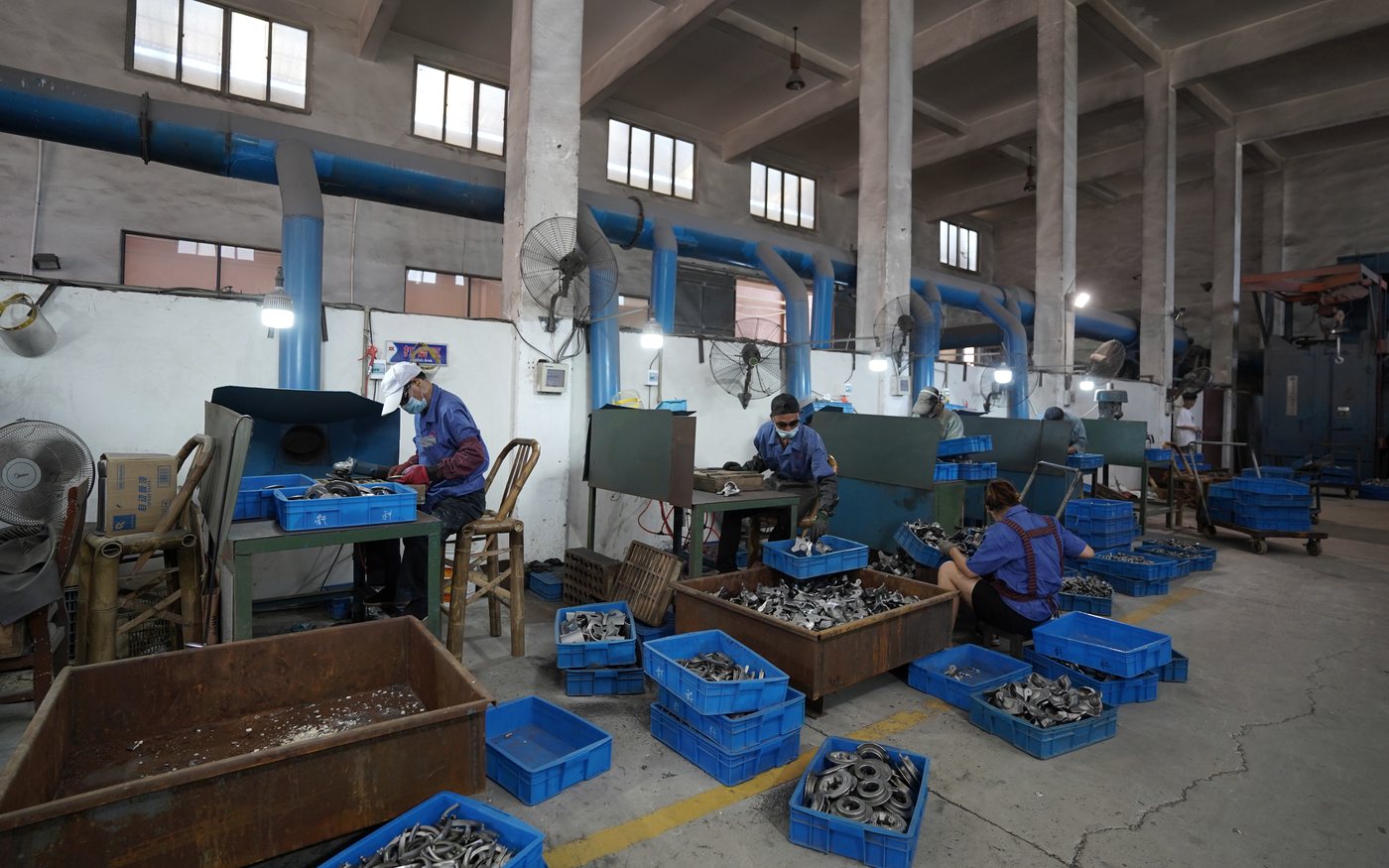
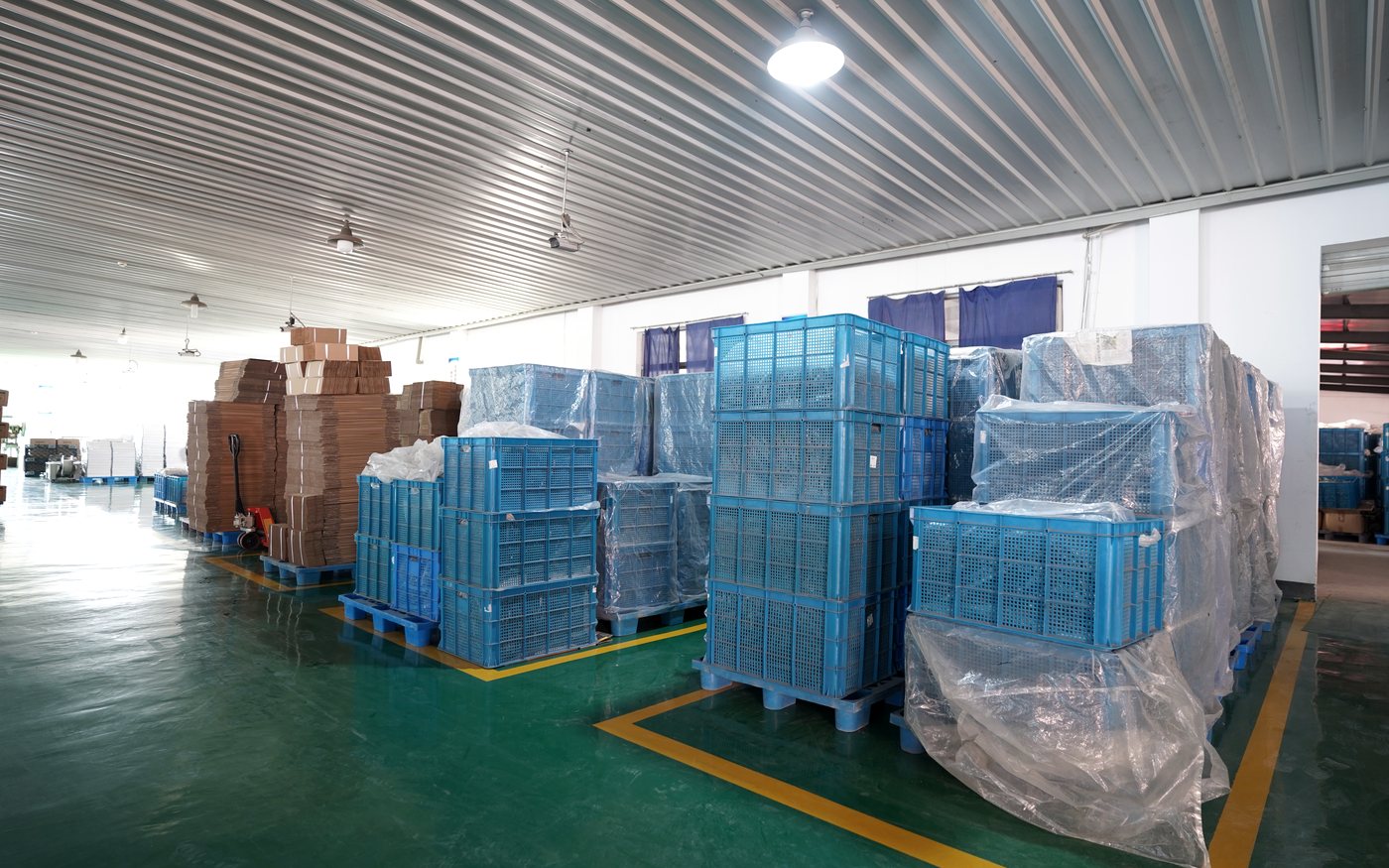
Manufacturing Context shows visible factory context: workshop, equipment, product details, packaging, and order preparation signals. It helps buyers understand what can be seen, what remains unclear, and what to ask next.
Manufacturing Context helps identify visible production signals and information gaps, but it does not replace factory audits, legal due diligence, quality inspection, payment safety advice, or a guarantee of order outcome.
Supplier photos and videos can be useful, but they are often misunderstood.
Visible signals are not conclusions.
A short workshop video may show machines, workers, packaging, or sample areas. But it may not confirm company ownership, product quality, order capacity, certification, delivery reliability, or whether the supplier controls the exact product category.
Gewuji uses Manufacturing Context to separate visible signals from assumptions.
Manufacturing context categories
These anonymous text-based evidence cards show how we read supplier photos and videos: what can be observed, what remains unclear, and what buyers should ask next.
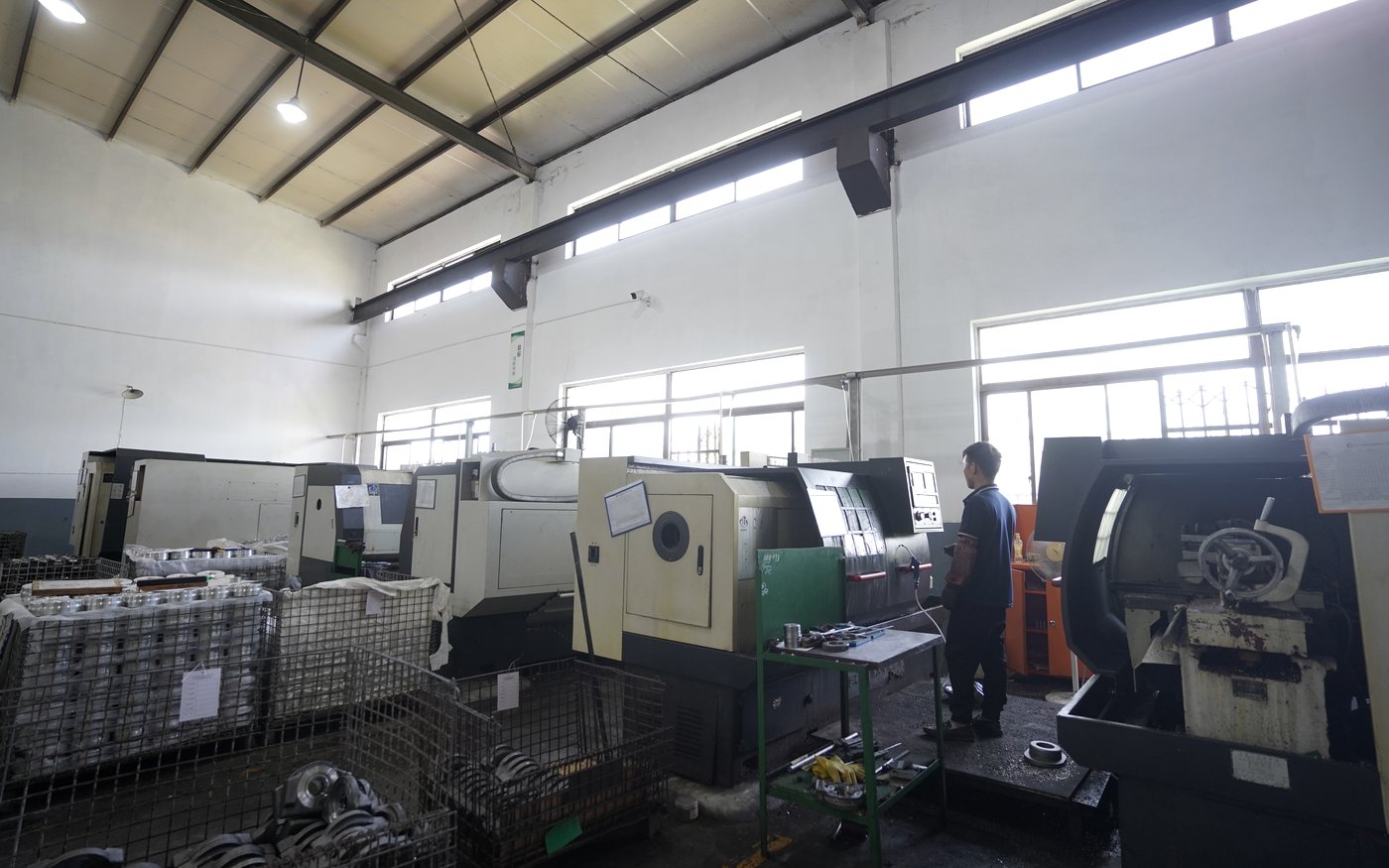
CNC Workshop
What we can observe: CNC equipment, workshop layout, work-in-process context, operators nearby, and visible production environment.
What remains unclear: Material grade, tolerance standard, defect handling, final inspection method, and whether the exact part is made there.
Buyer questions to ask: Please confirm material grade, drawing revision, tolerance standard, inspection report format, and whether this part is machined in your own workshop.
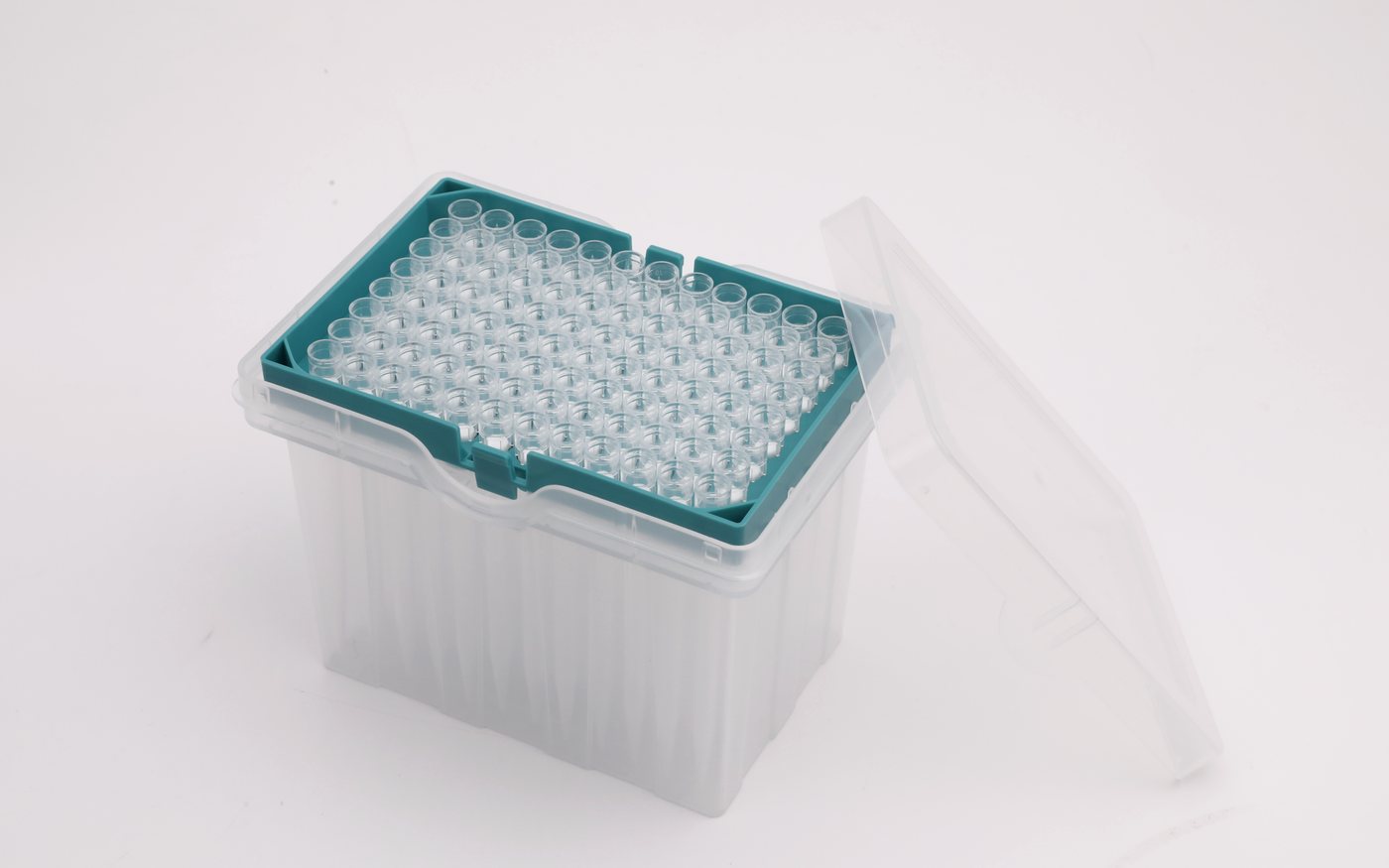
Product Detail
What we can observe: Product shape, visible finish, component layout, packaging fit, and whether a sample photo matches the described item.
What remains unclear: Material grade, production process, tolerance, durability, supplier control, and whether this exact version is quoted.
Buyer questions to ask: Please confirm material, dimensions, sample version, included accessories, and whether this photo shows the exact quoted product.
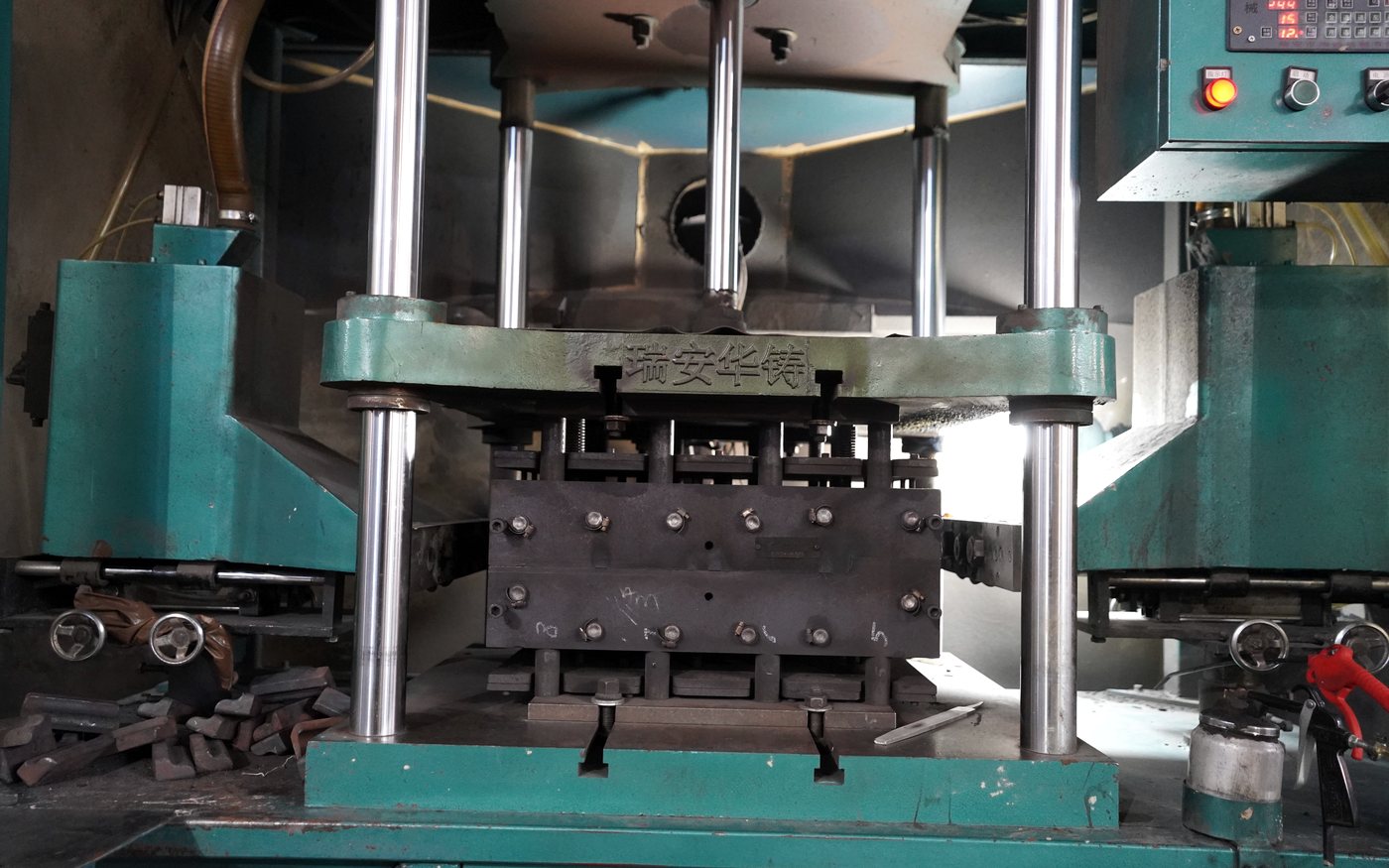
Metal Parts Production Area
What we can observe: Metal forming equipment, tooling position, surrounding workshop context, and visible part handling.
What remains unclear: Exact process, material thickness, tooling ownership, burr control, surface treatment path, and current order capacity.
Buyer questions to ask: Please confirm the exact process used for my part, material thickness, tooling ownership, burr standard, and inspection method.
Packing Preparation Area
What we can observe: Packed goods, cartons, staging area, protective wrapping, and part of the packing preparation flow.
What remains unclear: Carton strength, barcode accuracy, shipping mark rules, inner packing details, and final order compliance.
Buyer questions to ask: Please confirm carton specification, inner packing, label artwork, barcode format, and whether packaging is included in the quote.
Warehouse / Loading
What we can observe: Storage conditions, carton stacking, pallet use, loading preparation, and shipment workflow.
What remains unclear: Inventory ownership, shipment accuracy, order matching, customs documents, and delivery reliability.
Buyer questions to ask: Please confirm whether these cartons are for current orders, how order labels are checked, and what documents will match the shipment.
QC Table
What we can observe: Inspection tools, sample checks, product layout, operator workflow, and visible defect sorting.
What remains unclear: Inspection frequency, acceptance standard, defect rate, record keeping, and whether checks cover the buyer's product.
Buyer questions to ask: Please confirm inspection criteria, sample size, defect categories, inspection records, and what photos will be shared before shipment.
Sample Room
What we can observe: Product range, display categories, sample handling, older designs, and visible specialization or lack of it.
What remains unclear: Which items are made in-house, which are traded, current production status, and technical ownership.
Buyer questions to ask: Please confirm which sample is closest to my requirement, which items are made in-house, and what changes are needed for my version.
Production Line
What we can observe: Equipment layout, visible process flow, material movement, and whether the scene matches the supplier's claimed product category.
What remains unclear: Process parameters, output capacity, quality checks, and whether the line is used for the buyer's product.
Buyer questions to ask: Please confirm line output, sample basis, quality checks, and whether this line produces my requested item.
Equipment Area
What we can observe: Production equipment, workshop organization, fixtures, storage racks, and visible operating environment.
What remains unclear: Equipment ownership, actual production step, maintenance status, capacity, and whether this equipment is used for the buyer's order.
Buyer questions to ask: Please confirm what this equipment does, which product category it supports, and what process evidence can be shown for my order.
Finished Goods Storage
What we can observe: Finished goods, storage layout, product quantity, stacking method, and visible order preparation context.
What remains unclear: Order ownership, SKU match, shipment accuracy, inventory status, and whether these goods relate to the buyer's order.
Buyer questions to ask: Please confirm whether these goods match my product category, how SKUs are separated, and what final checks happen before shipment.
Carton / Shipment Preparation
What we can observe: Carton stacking, storage layout, shipment preparation, pallet use, and finished goods handling.
What remains unclear: Label accuracy, barcode data, carton strength, mixed-SKU risk, and whether the cartons match the buyer's order.
Buyer questions to ask: Please confirm carton size, shipping marks, barcode data, carton strength, and who checks final labeling before shipment.
Before / after signal examples
Generic examples only. These are not real customer cases and do not identify any supplier.
Workshop Video
Buyer may think: This looks like a real factory. Maybe it is safe to pay the sample fee.
What we noticed: Video shows machines but not the product category. No company name, signboard, or invoice match is shown. No sample room, QC table, or packaging area is shown. No material, lead time, or sample standard is confirmed.
Next questions:
Can you show the exact product category on live video?
Which workshop process is used for my sample?
What material grade will be used?
What sample standard should I approve before bulk production?
What company name will appear on the invoice and payment account?
Packing Area Photo
Buyer may think: Packaging looks organized, so the supplier should be ready for my order.
What we noticed: Packaging area is visible. Product label details may not match the buyer's requirement. Carton strength, barcode, shipping mark, and inner packing are not confirmed. It does not prove production capability or quality consistency.
Next questions:
Can you confirm the exact inner packing method for my order?
What carton strength and carton size are included?
Can I approve label artwork and shipping marks before production?
Will the barcode and SKU label match my marketplace requirement?
Can you share one packing photo before shipment?
What manufacturing context can and cannot prove
The useful move is to separate observation from assumption before paying or moving to the next supplier step.
Context material
Can help observe
Cannot prove by itself
Workshop video
machines, process, workers, production environment
No. A video can show visible signals such as machines, workflow, packaging, or sample rooms, but it cannot prove supplier reliability, legal status, quality consistency, or payment safety.
What should I look for in a supplier video?
Look for product-related areas, sample room, packaging process, labels, QC table, material storage, and whether the video matches the exact product category you are buying.
Should I ask for a live video instead of a recorded video?
A live video is usually more useful because you can ask the supplier to show specific areas and answer questions in real time. But it still does not replace formal audit or inspection.
What should be blurred before using factory materials publicly?
Customer names, factory names if private, logos, drawings, order details, faces, labels with sensitive information, and any confidential production details should be removed or blurred.
How does Gewuji use Manufacturing Context?
Gewuji uses Manufacturing Context to explain visible production signals, identify missing information, and suggest next questions for buyers or clearer buyer-facing materials for factories.
Send supplier video, photos, or reply for review
If a supplier sends you workshop videos, packaging photos, sample room clips, a quote, or a short reply before payment, Gewuji can help identify what is visible, what remains unclear, and what questions to ask next.
Communication and visible-signal review only.
Not audit, inspection, legal due diligence, or supplier guarantee.